

How to Clean Storm Windows (Inside the Gap, Too)
Why storm windows stay dirty after a normal wash
A storm window adds a second layer of glass, which means four surfaces to clean instead of two: both sides of the main window and both sides of the storm. A regular wash only reaches the two you can touch, the inside of the main window and the outside of the storm.
The other two face each other across a closed gap, and that's where dust, spider webs and dead insects collect. You can scrub the outside all you want and the window will still look hazy, because the dirt is on the surfaces in between.
Fall is a good time to deal with it. Once the weather turns cold you'll want the storms closed for the season, and whatever is in the gap will sit there until spring.
First, figure out what kind you have
Triple-track aluminum storms are the most common type on older Chicago-area homes. They stay on the house year-round, with two glass panels and a screen that slide in their own tracks. Most have small latches on the sides or bottom rail that let each panel tilt in or lift out from inside the house.
Wood storm windows are single panels that hang from hooks at the top of the frame and hook or latch at the bottom. They come off from the outside, which makes them much more work on anything above the first floor. Interior storm panels are mounted on the room side of the window, held by magnets, clips or a compression fit, and usually pop out by hand.
One thing that isn't a storm window: double-pane glass with fog or moisture between the two panes. Those panes are sealed together at the factory, so nobody can clean inside them. Fog there means the seal has failed, and the fix is a new glass unit.
How to clean a triple-track storm window
Start inside the house. Open the main window, then release the latches on the storm panels and remove them one at a time. Note which track and which window each panel came from, since panels that look identical don't always fit interchangeably. A strip of painter's tape with a number on it is enough.
Wash the panels on a towel laid across a flat surface, using a little dish soap in a bucket of water and a soft cloth. Rinse, squeegee and dry with a microfiber cloth. Do the same for the outer face of the main window while it's open, then clean the tracks.
Tracks hold most of the grit. Vacuum them with a crevice tool first, then loosen what's left with an old toothbrush and wipe with a damp cloth. Dry grit left in a track grinds against the panels and makes them harder to slide next year.
Before you put the panels back, find the small weep holes along the bottom of the outer frame. They let water drain out of the gap. Clear them gently with a toothpick, and never caulk or paint over them.
Cleaning wood and interior storm windows
For wood storms, lift the panel up and off its hangers, then carry it to a flat spot to wash it. They're heavier than they look, and the old glass can be fragile, so have a second person help with larger ones. Number each panel before it comes down if the frame isn't already marked, because old wood storms are often fitted to one opening.
If your home was built before 1978, old painted storms and sills may contain lead paint. Wipe them with a damp cloth, and don't dry-scrape or sand loose paint while you're cleaning.
Interior panels are the easy ones. Pull them out, wash them with mild soap and a soft cloth, and check the manufacturer's instructions before using any cleaner, because some panels are acrylic rather than glass. Ammonia-based glass cleaners and paper towels can cloud or scratch acrylic.
Safety and when to stop
Removing panels from inside the house is reasonable on any floor, as long as you can hold the panel securely and aren't leaning out to do it. Taking wood storms off a second-story window from a ladder is a different job. You're carrying a heavy, awkward sheet of glass with both hands on a ladder, and that's how people get hurt. Leave those to someone with the right equipment.
Also stop if a latch won't release or a panel won't move. Aluminum frames bend easily, and old panels can be painted or corroded in place. Forcing them can crack the glass or bend the track so it no longer seals.
Closing up for winter, and what condensation tells you
When you're done, slide the glass panels into the closed position and park the screen at the top of its track. Check that every latch has clicked in, because a panel left slightly open lets in cold air and won't do much for you once winter arrives.
If you see condensation in the gap during winter, take note of where it forms. Moisture on the inner face of the storm usually means warm, humid air from the house is leaking past the main window, so that window may need better weatherstripping. Moisture on the room-side face of the main window usually points to high indoor humidity instead.
Get a free quote for storm window cleaning
If you'd rather not take apart every window in the house, storm window cleaning is one of our window cleaning services. We take the units apart, clean the surfaces in the gap, and put everything back together. Our residential window cleaning starts at $149, and storm windows are quoted based on the type and number you have, so you'll get a clear price before any work begins. First-time customers get 25% off their first service.
We serve Chicago and the suburbs, from our Crystal Lake base in McHenry County to the North Shore and western suburbs. Request a free quote and tell us what kind of storm windows you have, or that you're not sure, and we'll help you figure it out.
Before & After
Residential Windows
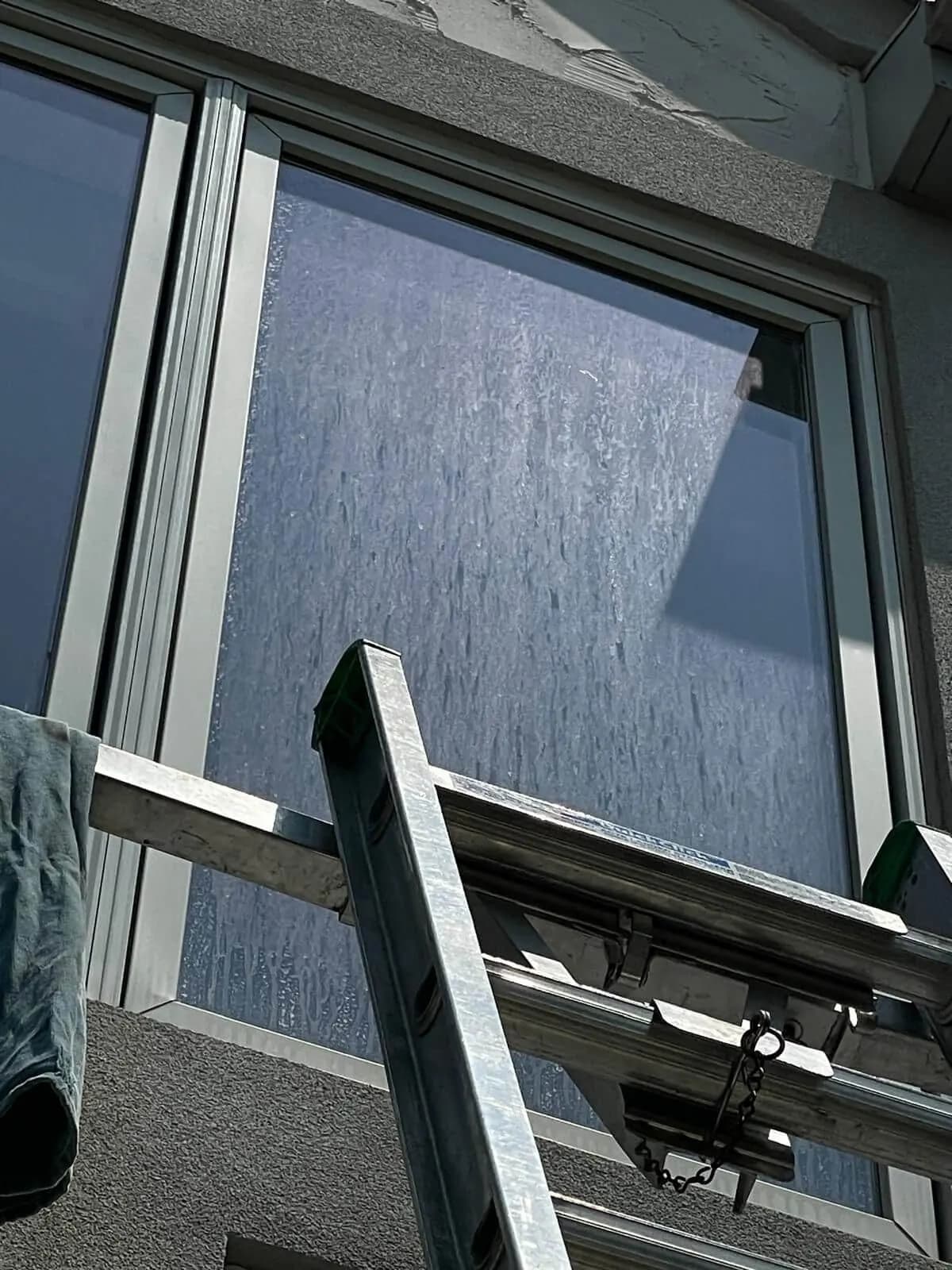 Before
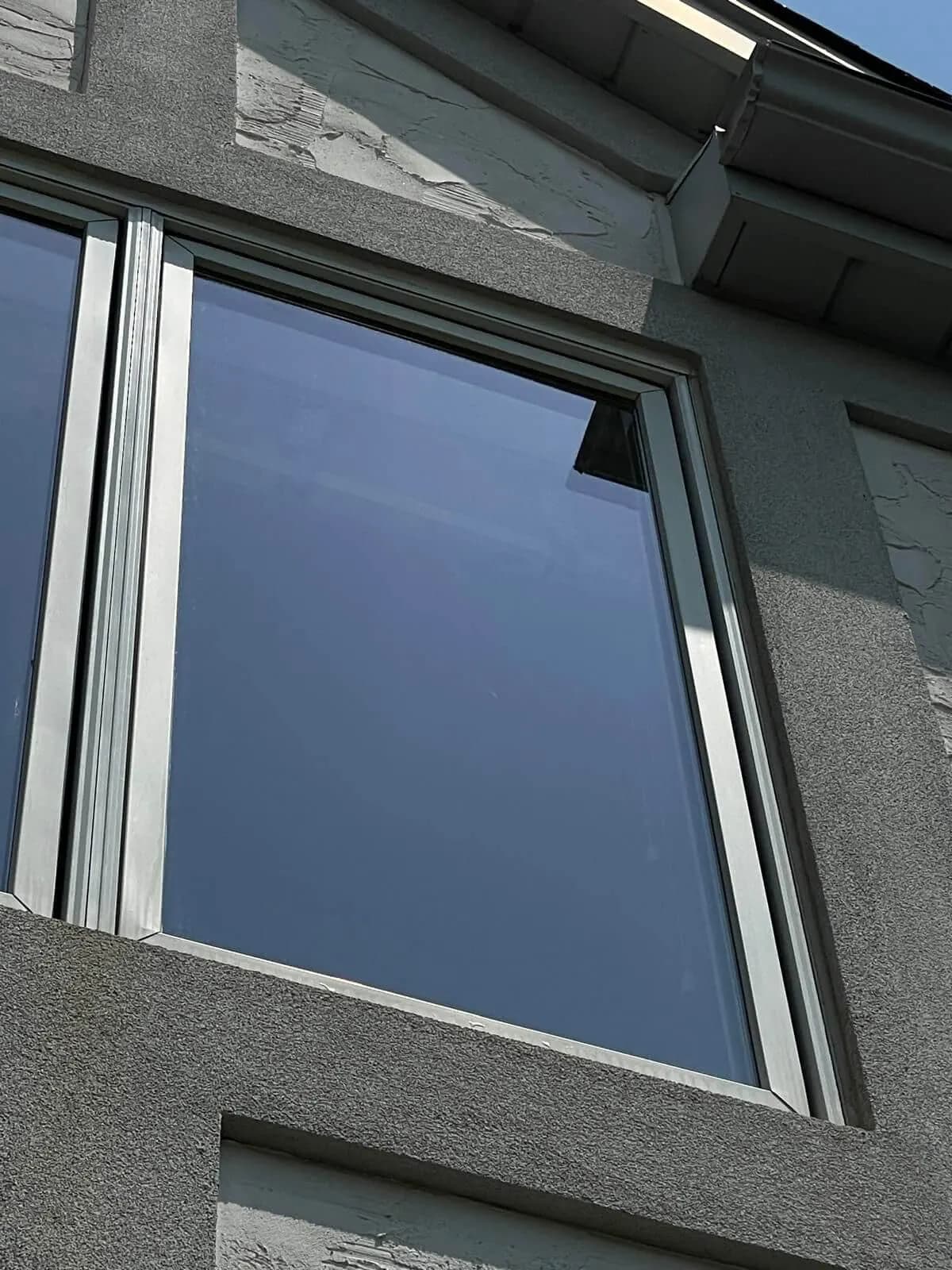 After
Hard Water Stains
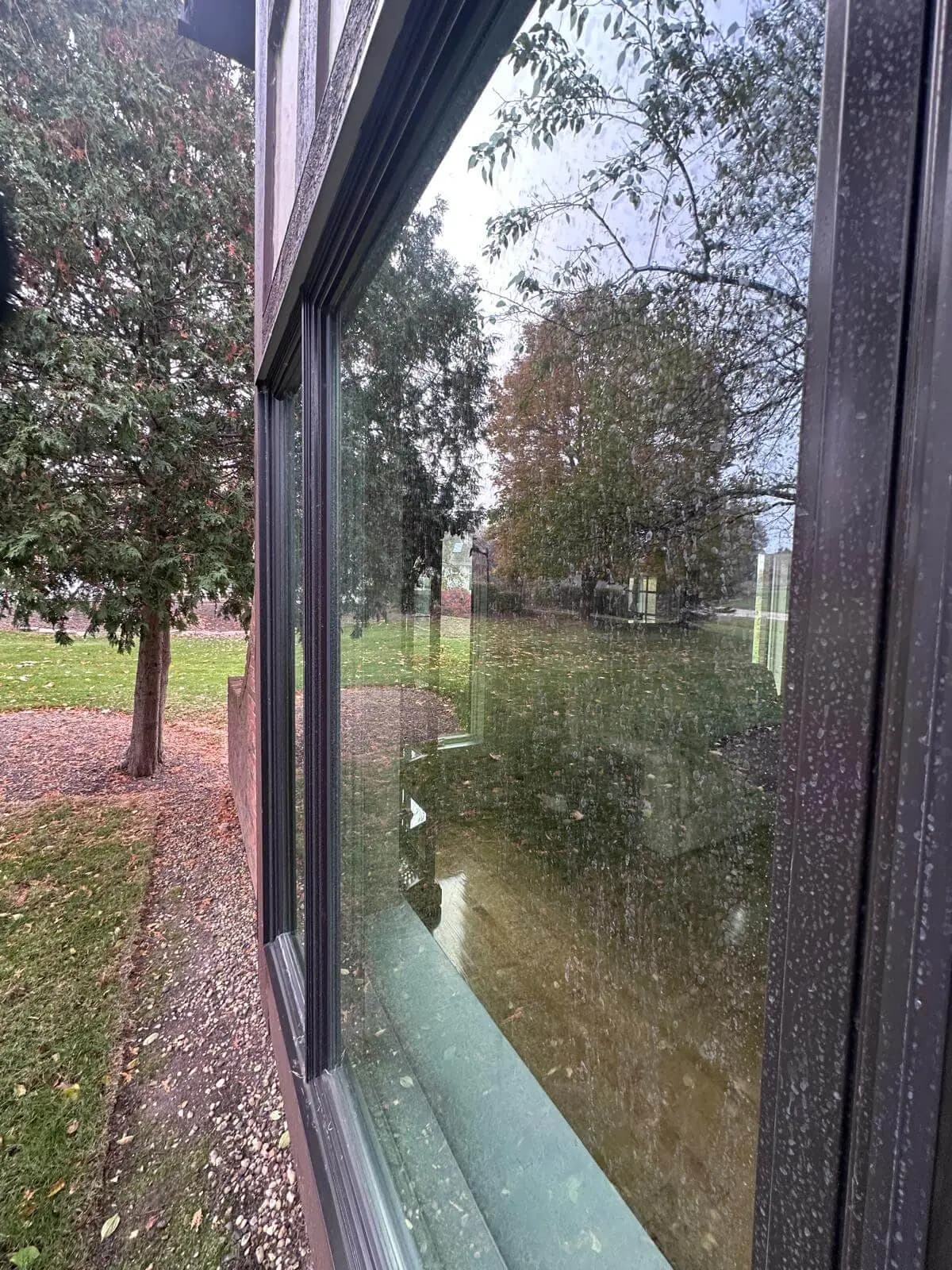 Before
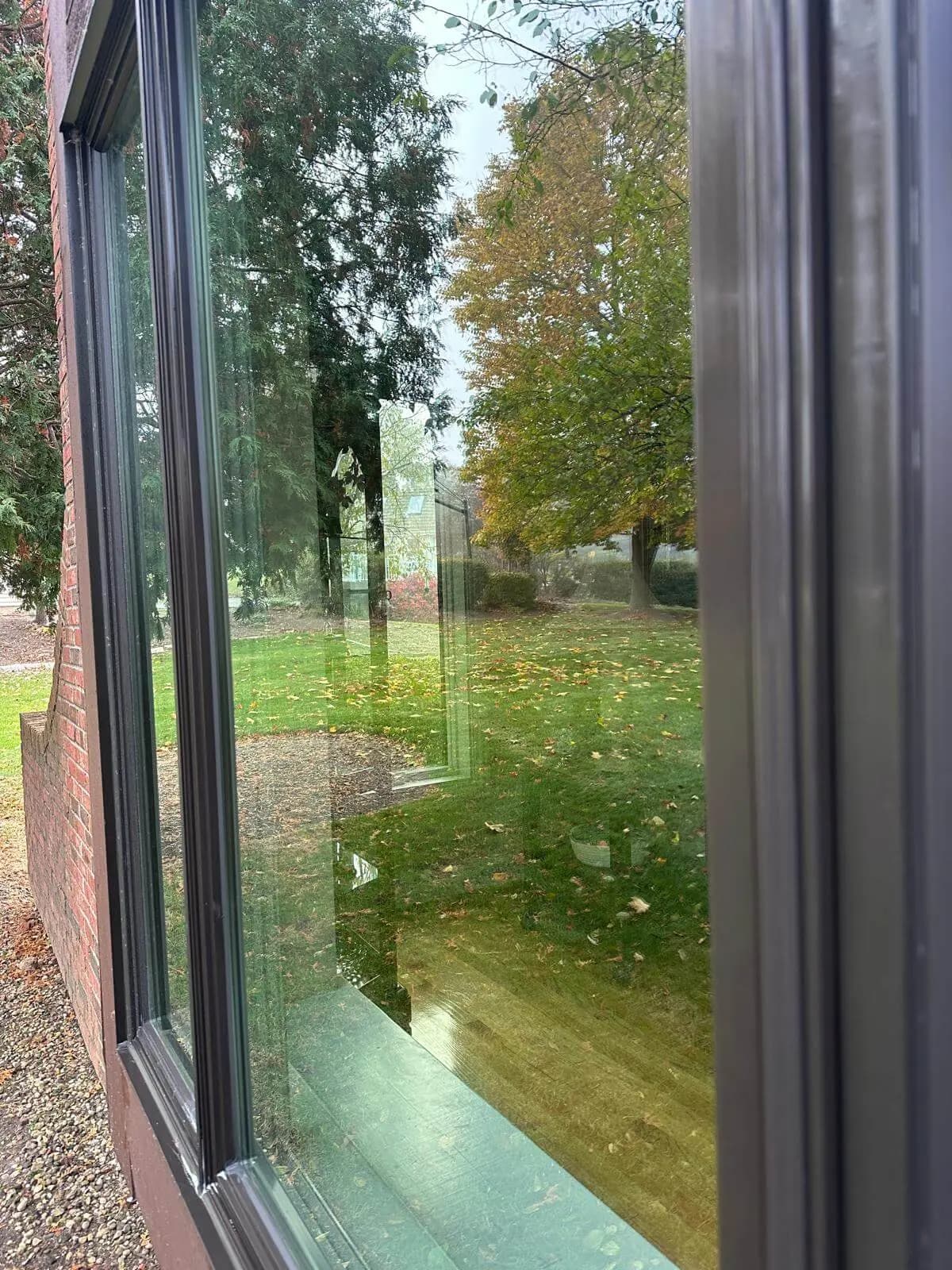 After
Need Window Cleaning in Chicago?
We handle this exact job every week across Chicago and the surrounding suburbs. Free, no-obligation quotes.
See our Window Cleaning service →